


Protecting Every Future is a program of The American Council of Life Insurers.
Emergency Savings Vs. Disability Income Insurance: Protecting Your Paycheck

Establishing emergency savings is a smart move for everyday money management. Financial experts often advise setting a certain amount aside to protect your budget from unexpected expenses like home appliance repairs, medical bills, sudden unemployment, and more.
But because of the ways emergency savings are typically framed around short-term expenses, many people underestimate how much is needed for serious, but common situations like having to take time away from work due to an injury or illness. That’s why disability income insurance is a valuable resource. It’s an important way to protect your paycheck when life takes a surprising turn.
Mike’s Unexpected Illness
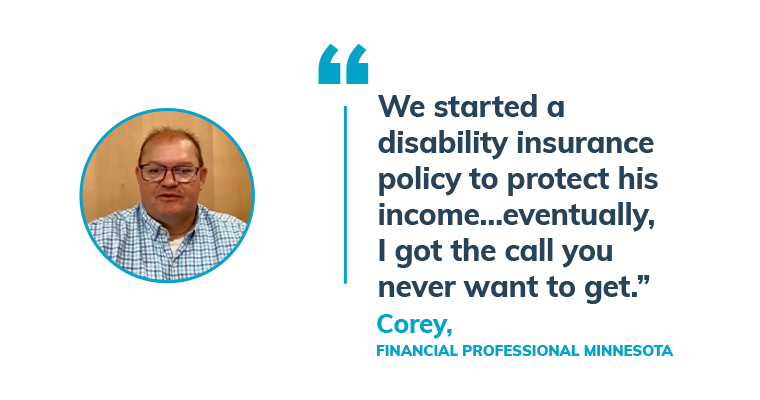
For example, we spoke with Corey, who has specialized in disability insurance for 25 years in Minnesota. He told us a story about Mike, a software specialist who traveled often for work. Mike took out a disability insurance policy to protect his income should something happen to him. As his income increased over time, Mike also adjusted his policy to keep pace. Years later, when he was ready to send his daughter to college, Mike was diagnosed with Parkinson’s disease, a condition unrelated to his job but one that made continuing to work impossible. The thought of needing to leave work long-term, if not permanently, was daunting. Fortunately, his disability insurance policy enabled his family to keep their goals on track.
Common Misconceptions
The reality is, stories like Mike’s are common, and most disabling illnesses and accidents are not workplace-related. Without proper protection, long-term illness or injury can require far more monetary resources than a few months of emergency cash. That’s why disability insurance matters just as much as your emergency savings. A standalone policy can help avoid common misconceptions about Workers’ Compensation, employer-provided disability insurance, or how much cash is needed for long-term income disruption.
Here are the key differences to keep in mind:
| Emergency Savings Fund | Disability Income Insurance | |
| What it is: | Money set aside in a bank account (commonly 3-6 months of living expenses) to cover unexpected expenses. | An insurance policy you can get through a financial professional or your employer. Offered as both short-term and long-term policies. |
| What it does: | Protects budgets from emergency expenses like home appliance or car repair, medical bills, or job loss. | Replaces a percentage of your income if illness or injury prevents you from working. |
| Why it’s important: | Prevents financial shock from a sudden expense and helps hold off the need to potentially increase credit card debt or dip into retirement savings accounts to manage. | Depending on the policy, can cover lost income from a few weeks to your entire working life. |
There When It Matters
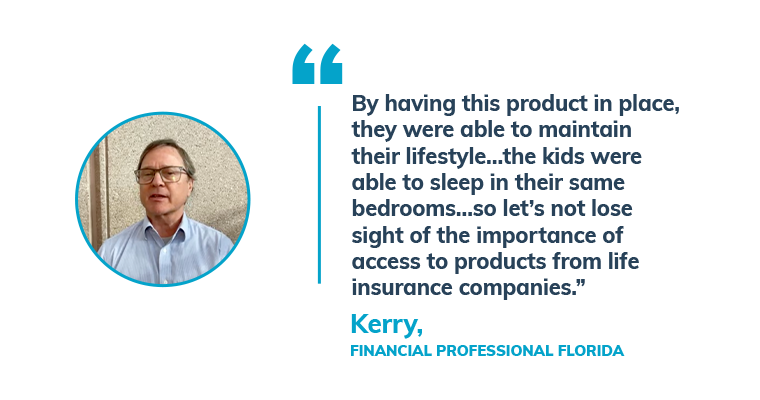
Kerry, a financial professional from Florida, shared how his client Brandon, who had a wife and two children, took out an individual disability income insurance policy that allowed him to supplement his income after a degenerative foot condition prevented him from working. Thanks to this planning, Brandon and his family were able to stay in their home and maintain their quality of life when he had to step away from work.
How Much Do You Need?
Everyone’s financial security needs are different. For emergency savings, it can range from having enough set aside to handle an unexpected bill, to saving between three and six months of living expenses. Disability income insurance, however, protects your paycheck by replacing a percentage of your income when you are unable to work. An emergency savings calculator and disability insurance needs calculator can help show how different variables affect savings and insurance needs from person to person.
Emergency savings can help you handle short-term surprises, but protecting your income is what helps families stay financially secure when life takes an unexpected turn.
Learn more about how disability income insurance works here.
###